


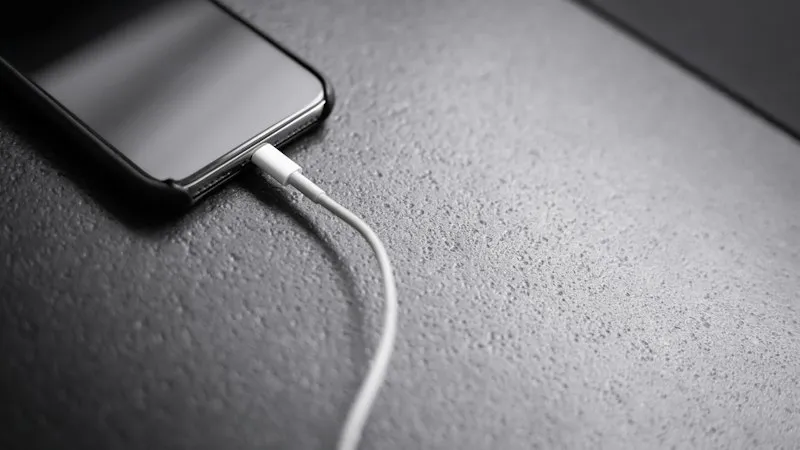
However careful one is, it will surely happen at some point to realize that their phone's battery is about to run out just before leaving home or the office. Fortunately manufacturers have anticipated this possibility and now offer the option of fast charging for their devices.
It often happens that we realize the phone's battery is almost empty just before we leave home
What is fast charging?
Charging the battery of a mobile device is essentially a simple process. Current is transferred from the socket to the device through the charger and the battery fills after some time. For this process to take place safely the device has some built-in regulator that does not allow an excessive amount of current to pass into the battery. How fast the device's battery charges depends on this regulator, so even if we use a more powerful charger, the device itself will not allow more current to pass into the battery.
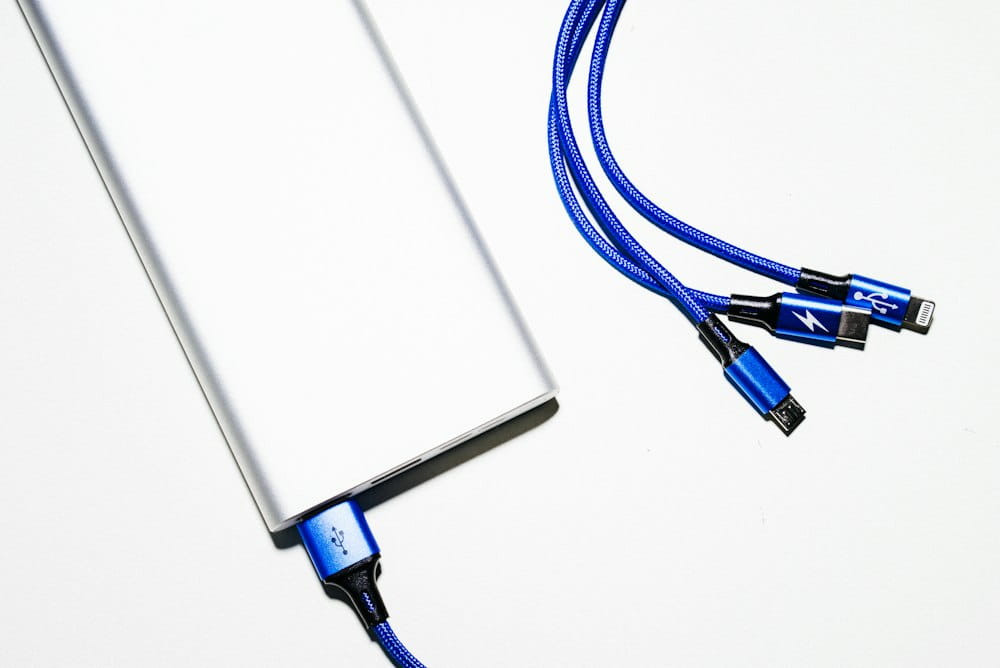
How fast a battery charges depends on how much current the device allows to pass to it
Essentially what happens in fast charging is that the device's processor has a technology that allows more current to pass and so the battery charges faster. In newer devices there is in fact a "communication" protocol between the device and the charger, through which the device requests the ideal amount of current it needs at any moment, in order to charge as fast as possible. This function has the advantage that it does not allow the temperature to rise excessively during charging, even though more current is channeled into the battery.
What do I need to charge my phone fast?
The first thing to check is whether the device has the corresponding technology. The company that currently prevails in fast-charging technology is Qualcomm, the manufacturer of Snapdragon processors. Many well-known devices on the market have the Qualcomm Quick Charge 2.0 protocol, while the newest may have Quick Charge 3.0 or even Quick Charge 4.0. Many mobile phone manufacturers also release their own protocols designed for use on their own devices, e.g. Adaptive Fast Charging by Samsung, TurboPower by Motorola, Dash Charge by OnePlus, etc. In general we can say that the newest devices, of the well-known manufacturers at least, most probably support fast-charging technology.
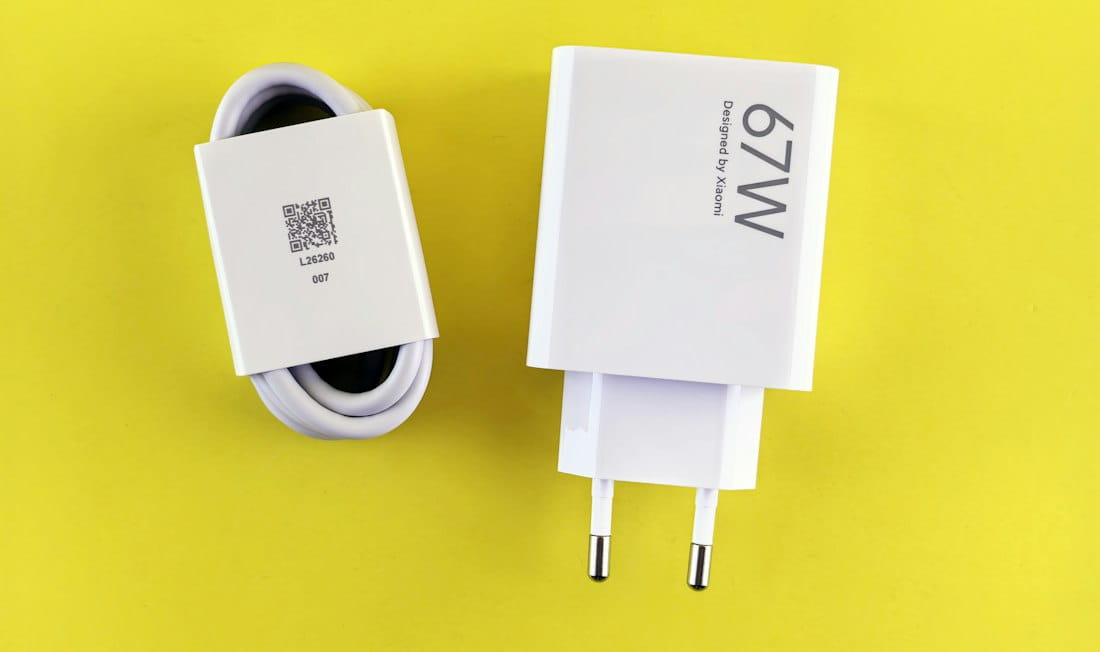
Many mobile phone manufacturers release their own fast-charging protocols, such as Samsung with Adaptive Fast Charging
To be able to take advantage of the fast-charging function, of course, you also need a corresponding charger. The chargers usually used for charging phones are of the order of 5V and 1A. The chargers used for fast charging, however, are of the order of 9V, 12V or even more.
Finally you may need a good charging cable, so as not to face problems due to poor cable quality.
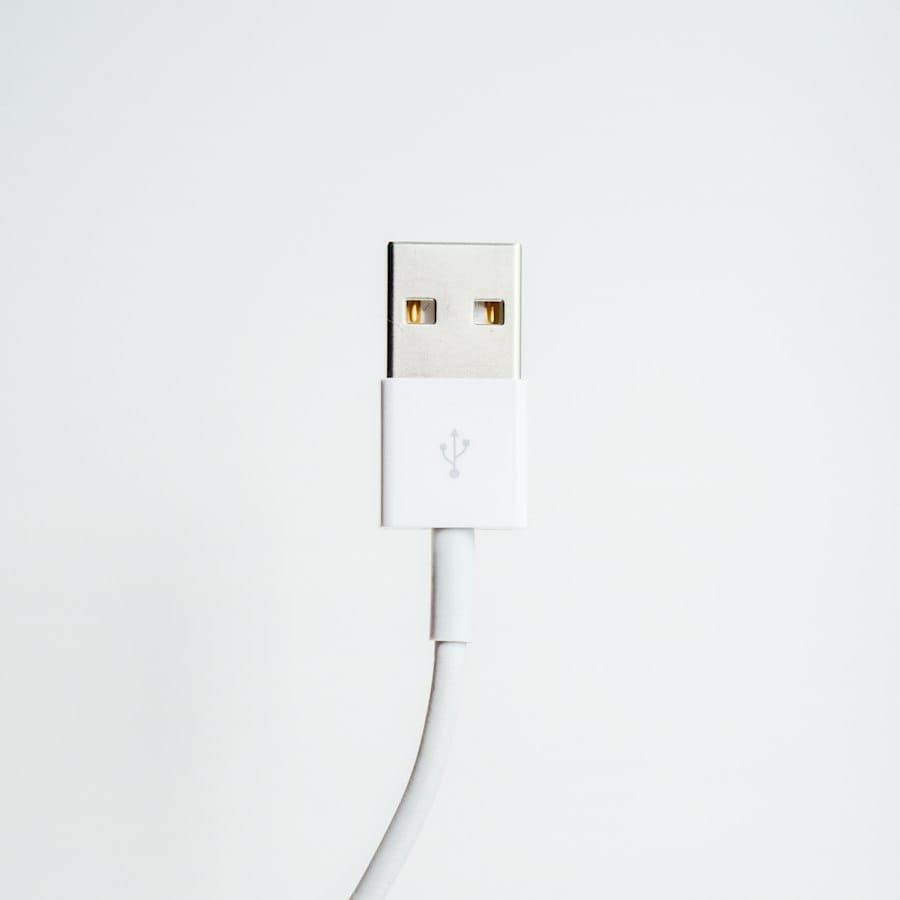
To take advantage of the fast-charging function you need a corresponding charger, as well as a good-quality cable
Is fast charging dangerous for my phone?
It is well known that the battery's worst enemy is temperature. The more current is transferred during charging, the higher the temperature that develops, which is why there is a fear that using fast charging destroys the phone's battery much faster.
The truth is that fast charging may somewhat reduce the lifespan of the phone's battery, but not significantly more than other bad habits we adopt when charging our devices, e.g. when we leave the phone plugged in all night.
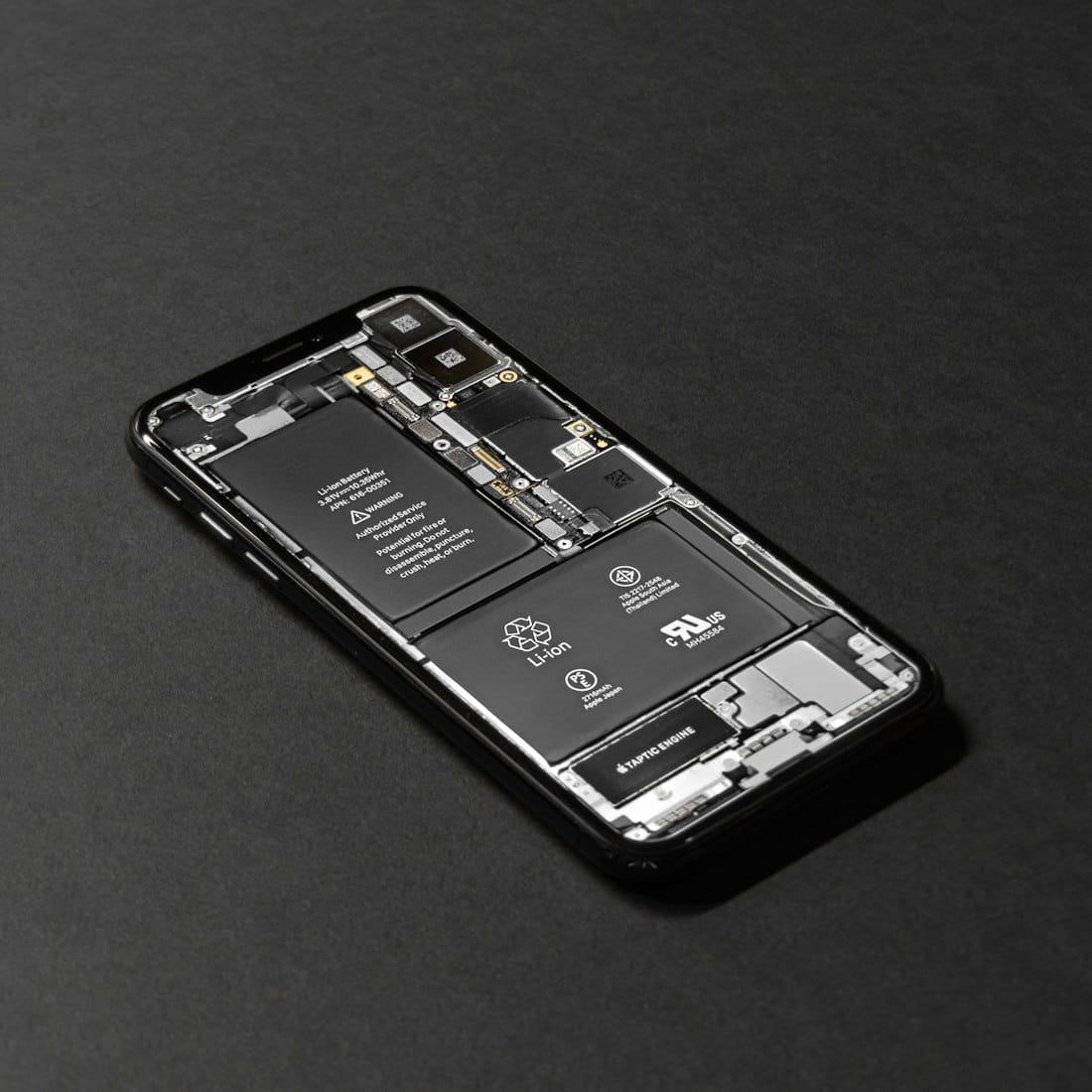
Fast charging may somewhat reduce the battery's lifespan, but not significantly more than e.g. leaving the device plugged in all night
Is it worth using fast charging?
Mobile phones are an integral part of everyday life, to the point where the possibility of the battery running out at some point during the day is now a source of anxiety.
Fast charging can significantly help people who need to charge their phone for a short time and have their battery last some hours. Manufacturers' estimates promise that with only 30 minutes of charging the battery can reach even 80%. After that point, of course, charging starts to become slower and it may take even more time than the 30 minutes to reach a full charge. So the fast-charging method is worth using only when the battery is at a very low level and you want to charge it enough to last for a few hours.
In case your device does not support fast charging you can simply get a portable battery charger (power bank).
If your device does not support fast charging you can simply get a power bank so you do not run out of battery
Developments in mobile phone batteries are rapid. New phones come with batteries of ever-larger capacity to cover people's needs, so fast charging is expected to prevail and be the way all devices are charged in the future.


