


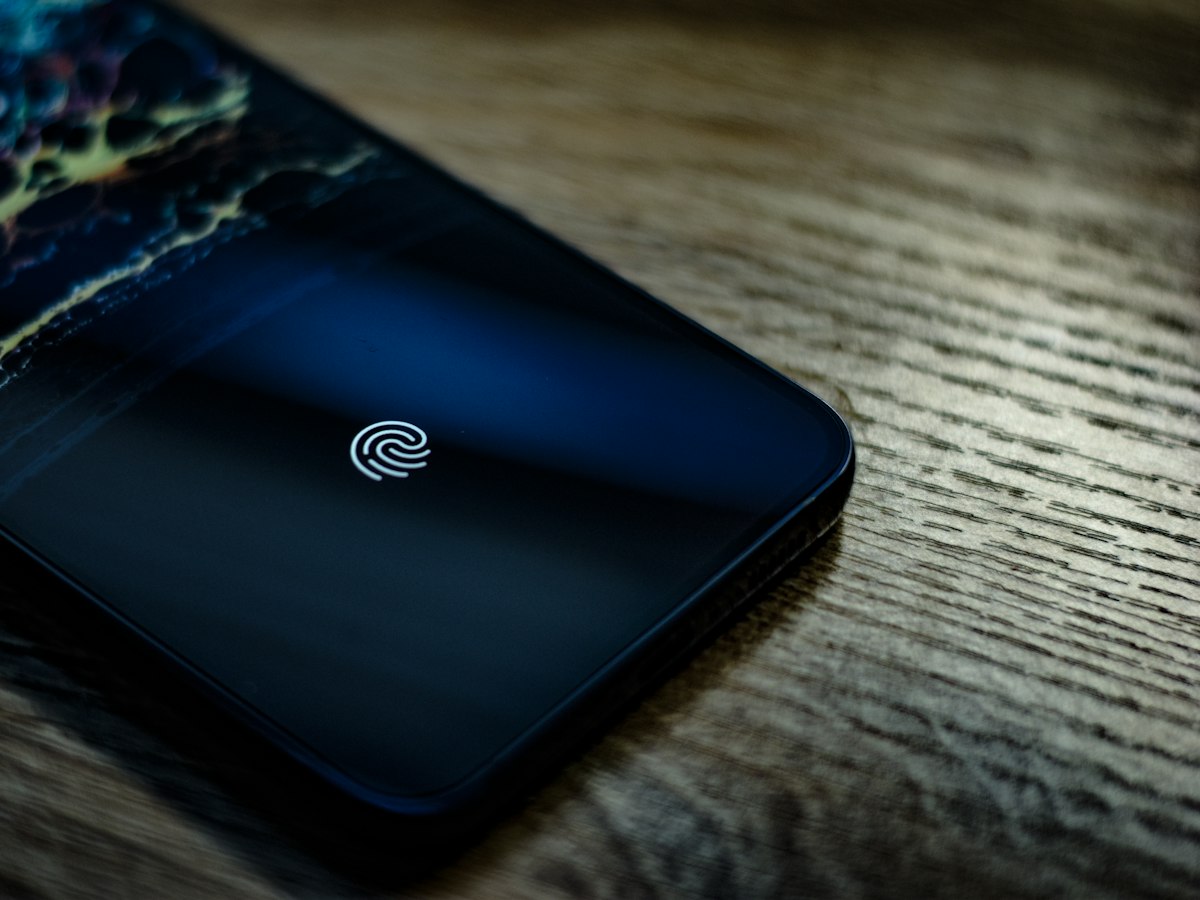
The fingerprint sensor first appeared on the more expensive devices of the biggest manufacturers, but now we find it even in the budget devices on the market. It is now built into many devices and offers protection for users' personal data.
The first phone released with a built-in fingerprint recognition sensor was the Motorola Atrix, but its use became established after the release of the iPhone 5s by Apple in 2013. Then Samsung also released its first phone with fingerprint recognition, the Samsung Galaxy S5.
The use of the fingerprint recognition sensor on mobile devices became established after the release of the iPhone 5s
How does a fingerprint recognition sensor work?
The main sensors used today in mobile devices are the following:
- Optical sensors (Optical scanners): This is the oldest method of reading and recognizing fingerprints. Their operation essentially relies on taking a photograph of the fingerprint. Special algorithms are then used that analyze the dark and light areas of the image in order to identify unique patterns on the surface, such as characteristic marks or lines.
To be able to detect so many details the sensors usually have a large number of diodes, as well as LED lights to illuminate the image during scanning. That is, they are relatively bulky mechanisms and their use is not preferred in new mobile devices that have a very thin design.
The main drawback of these sensors, however, is that they are not hard to fool. Because the image captured is two-dimensional, even a good-quality photograph can unlock the device.

The operation of optical sensors relies on taking a two-dimensional photograph of the fingerprint, so they are not hard to fool with a good-quality photograph
Their large size and limited security have meant that these sensors are no longer used except in very budget devices. They may, however, begin to be used to a greater extent in the future, since they can be integrated under the touch screen.
- Capacitive sensors (Capacitive scanners): These are the sensors used most often nowadays. They are built into the best devices on the market and collect fingerprint data using a series of tiny capacitor circuits.
When a finger touches the sensor, the ridges of the fingerprint cause changes in the electric current stored in the capacitor, while the grooves leave a gap and so the current in the capacitors remains relatively unchanged. The changes in the capacitor's electric current are recorded and converted into digital data. The data is then analyzed in order to identify various unique characteristics of the fingerprint.
The main advantage of this method is that it is extremely secure, since sensors of this type cannot be fooled either with an image of the fingerprint or with a replica.

The main advantage of capacitive sensors is that they cannot be fooled with an image of the fingerprint or with a replica
- Ultrasonic sensors (Ultrasonic scanners): These sensors work through sound waves. When the finger touches the device an ultrasonic signal is transmitted. Part of the signal is absorbed, while another part returns to the sensor depending on the ridges, pores and all the other unique details of each fingerprint. In this way a three-dimensional "map" of the fingerprint is created, providing even greater security than capacitive sensors. There is great interest in these sensors, since they too can be placed under the screen.
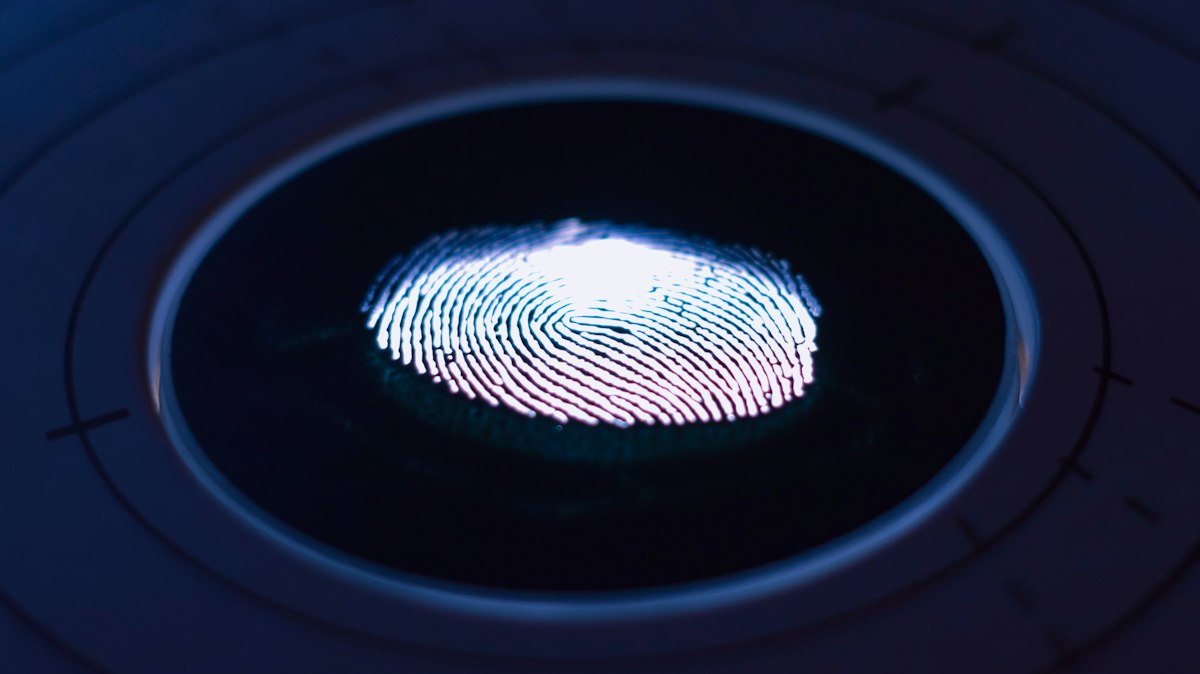
Ultrasonic sensors are considered even more secure than capacitive sensors, and can be placed under the screen
Besides the type of fingerprint recognition sensor, the software that supports this function is also very important. The sensor communicates with a chip (IC) which is responsible for interpreting the scanned data and transmitting it to the phone's processor in a recognizable form.
Advantages and disadvantages of using fingerprint recognition
The advantages of using fingerprint recognition sensors are known to all: they offer quick and easy unlocking of the device, they are extremely hard to fool, and you cannot forget your fingerprint as you can a password or a lock pattern.

The advantages of fingerprint recognition sensors are many, which is why they are now built into most of the phones on the market
As we have mentioned in the past, of course, no protection method offers 100% security. The same goes for fingerprint recognition sensors, which can potentially be fooled if someone has the right means.
However their main drawback is not this and is not exactly a drawback of the sensors themselves. The security of the method depends on how well the scanned data is encrypted. For example Apple with the Touch ID sensor does not store images of the fingerprint, but encrypts it and relies exclusively on a mathematical representation of it. It is not possible to reconstruct the image of the fingerprint using this stored data.
Of course the use of the sensors is also made difficult by other factors, such as finger injuries, wet or dirty fingers, etc.

The operation of fingerprint sensors is also made difficult by factors such as finger injuries, wet or dirty fingers, etc.
Fingerprint recognition is now taken for granted on mobile devices and is used by a large number of users, but it is not the only biometric method that protects our personal data: face recognition is now used on the flagship devices of the big manufacturers. What appears from the estimates so far is that these methods, which we once saw only in movies, have entered our everyday life and are probably here to stay.


