


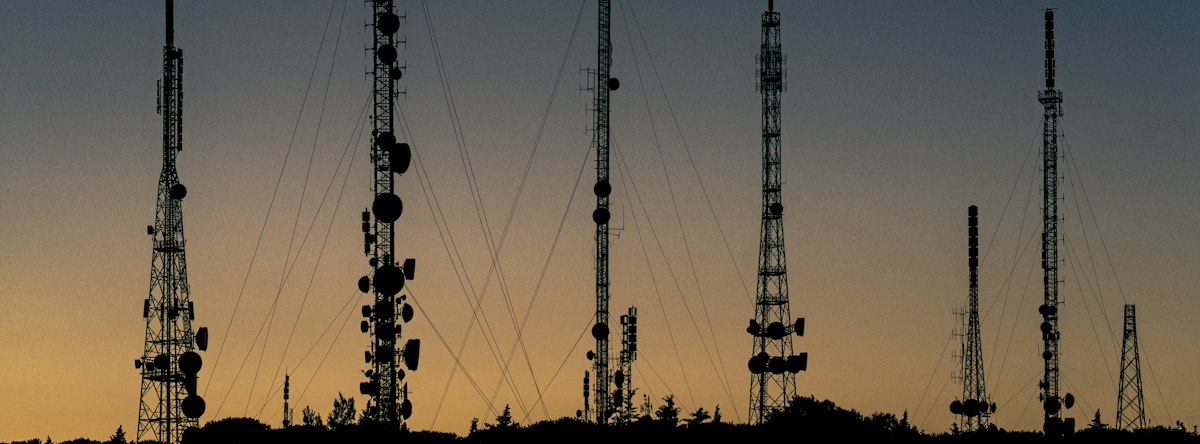
5G networks have lately been a topic of discussion.
But what is this much-talked-about 5G and how will it change our lives? Before we answer this question, let us recall a little how it all began.
First, let us answer a question many people have: what does the G mean? It is the first letter of the word "generation", meaning "generation". So when referring to 1G, 2G, 3G, 4G and 5G we are talking respectively about the first, second, third, fourth and fifth generation of telephony networks.
The first generation of networks (1G ) allowed only making phone calls and was analog. It had no other functions, which is normal considering that it first appeared in the early 1980s.
The second generation of mobile networks, 2G, appeared almost ten years later and operated digitally. Some new features were added, such as the ability to send and receive simple text messages (SMS).
The 3G network first appeared in the early 2000s and was the generation that laid the foundations for the wireless technology we know and use today. It offered access to the internet, the ability to send and receive e-mail, video file downloads, sending photo files, etc. The speed of these networks reached 2 Mbps.
The fourth generation of mobile networks is the one widely used today and should normally offer speeds from 100Mbps up to 1Gbps. In reality, of course, these speeds are achieved only in ideal conditions and specific areas. In recent years the 4G LTE (Long Term Evolution) network has prevailed, which is faster than 4G, while the newest technology LTE Advanced comes much closer to the standards that have been set for the 4G network.
Now, of course, we are preparing to welcome 5G mobile networks, which promise speeds from 1Gbps up to 20Gbps. The fifth generation of networks will go beyond the usual use of mobile devices and will form the basis for creating the so-called Internet of Things, that is, the communication of all the devices and machines we use in everyday life, from the car to the home washing machine.
The first generation of telephony networks (1G) first appeared in the early 1980s, and now we are preparing to welcome the fifth generation (5G)
Advantages of the 5 networkG
Like every new technology, the 5G network seems set to offer users significant advantages:
- Greater mobile network bandwidth (bandwidth). Network bandwidth refers to the "space" available for users to download files, browse the internet, watch videos, etc. The smaller this bandwidth, the slower these tasks become, especially if many users use the same "space" at the same time. With the 5G network this will not be a problem, since even in crowded places everyone will be able to connect to the network without obstruction.
- Much higher speeds. The speeds the new network will "reach" will of course be far better than anything we have known so far. Thanks also to the large bandwidth, each user will be able to use the network without causing delays for the others.
- Much lower response time. The response time of a device using a 5G network is expected to be on the order of 1 millisecond. This time is much shorter than what is achieved with the networks known so far.
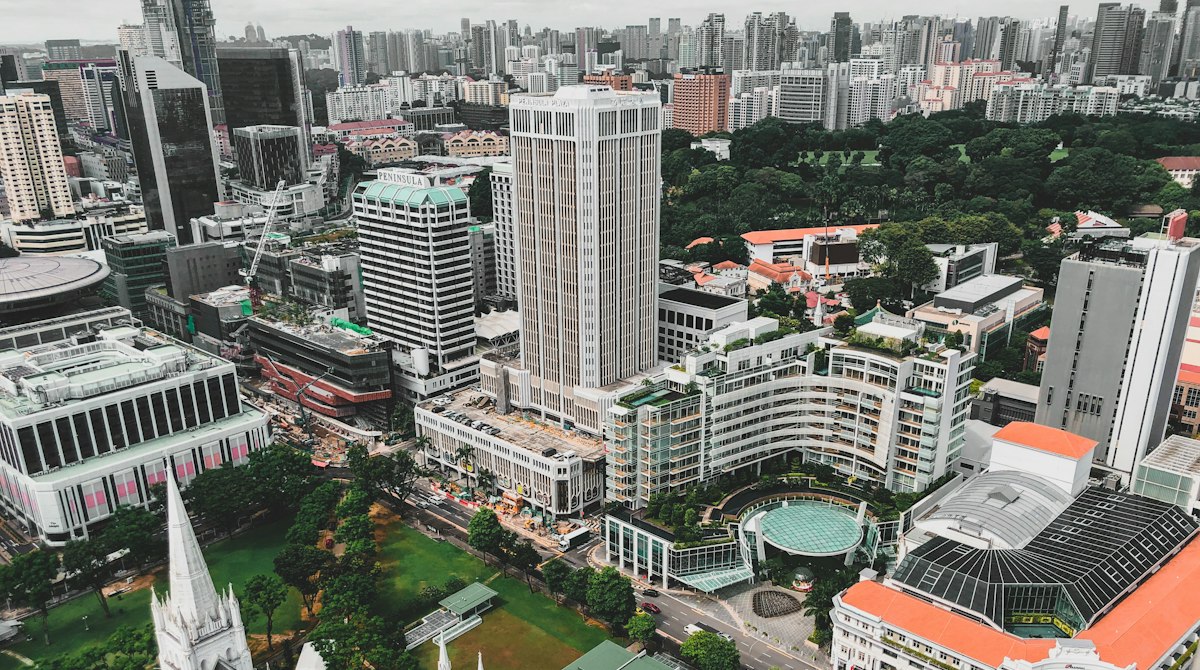
The 5G network will offer users many advantages, such as greater bandwidth, higher speeds and lower response time
Uses of the 5 networkG
It is not only the use of mobile devices that will benefit from the advantages of 5G, but also other sectors, such as:
- Transportation. For years now carmakers have been trying to create a car that drives itself. What prevents the wide use of such vehicles is mainly the long response time on existing networks. With 5G the response time is minimized (1 ms) and at the same time the likelihood of an accident due to the vehicle not responding to a command is minimized.
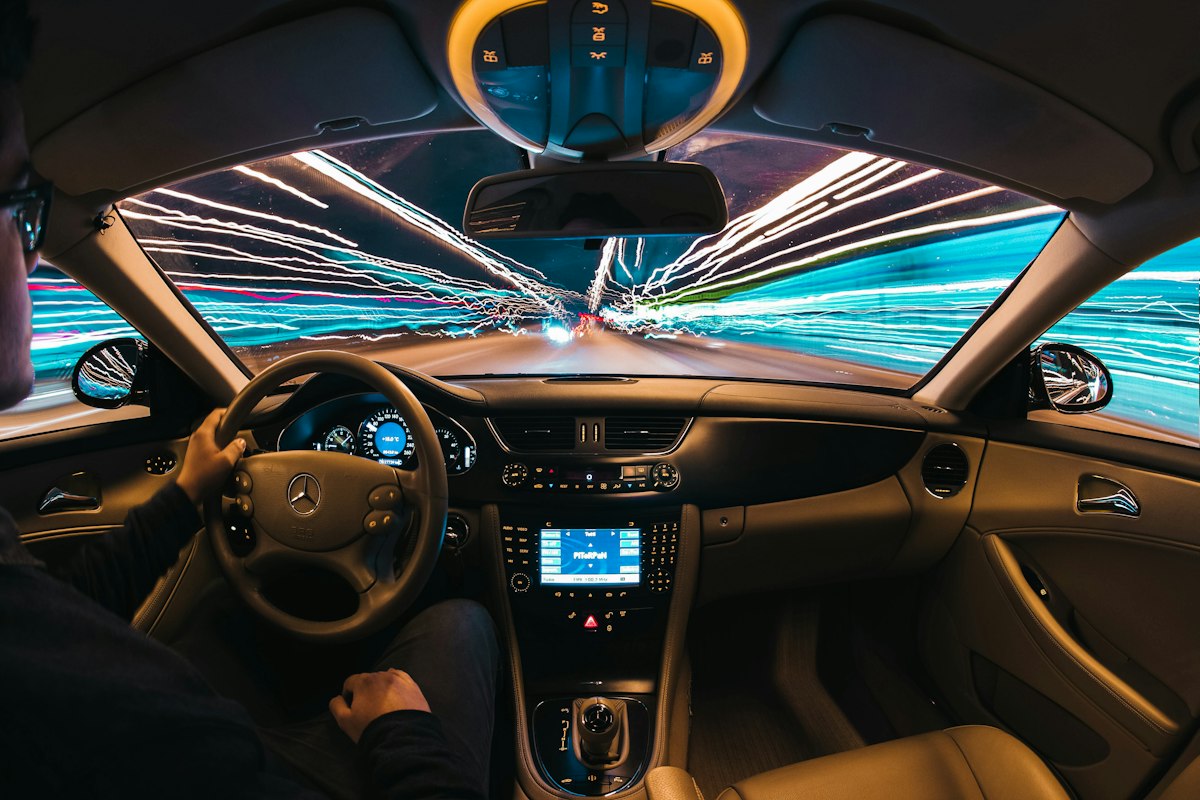
With 5G the wide use of self-driving cars will be possible
- Medicine. Doctors rely on robotics to carry out very difficult operations. When with the 5G network low speeds and long response time are no longer a problem, new technologies will be able to be used by doctors to a much greater extent.
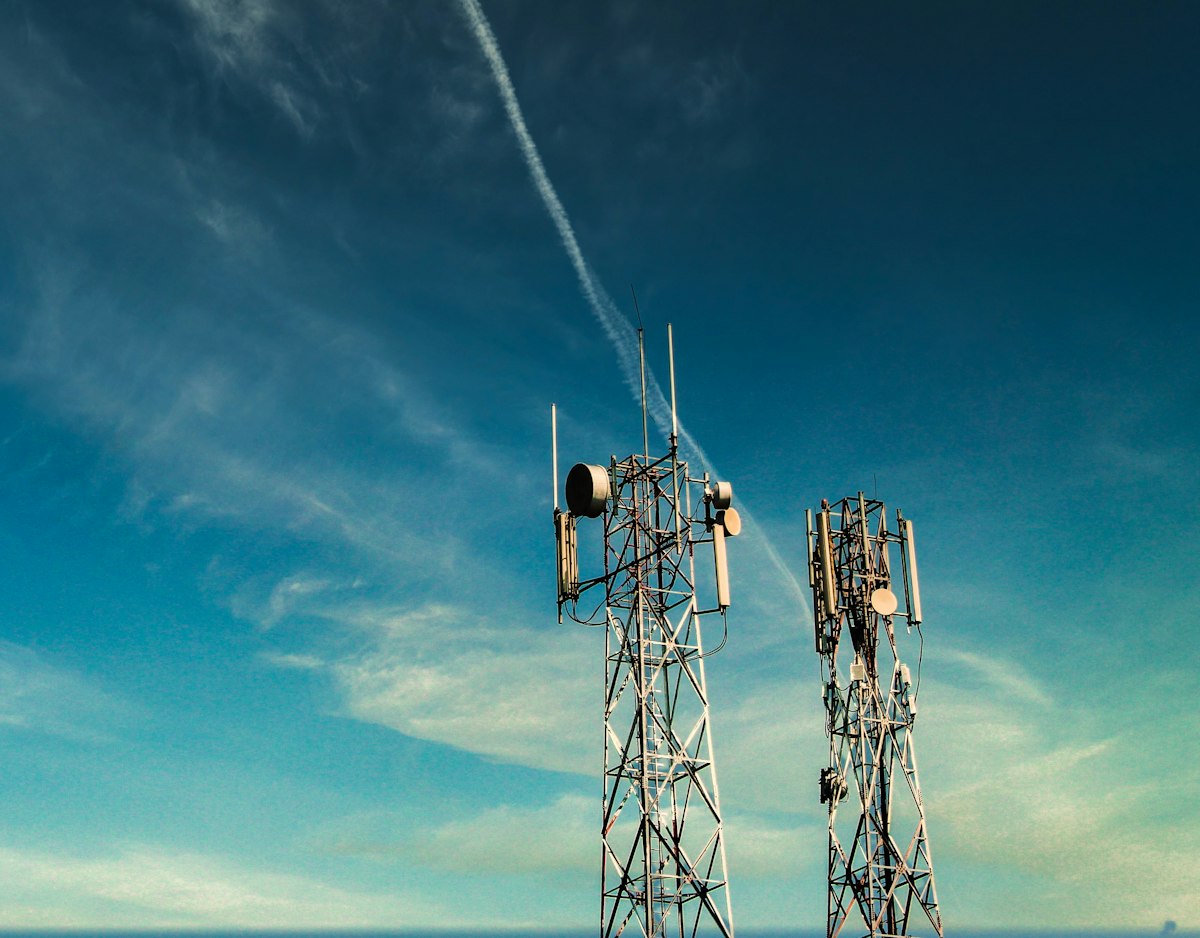
5G networks will allow new technologies to be used in medicine to a much greater extent
- Industry. In many industrial sectors machines are used for tasks considered dangerous for humans (e.g. work with hazardous chemicals). With the advantages offered by the 5G network, their use is expected to increase significantly.
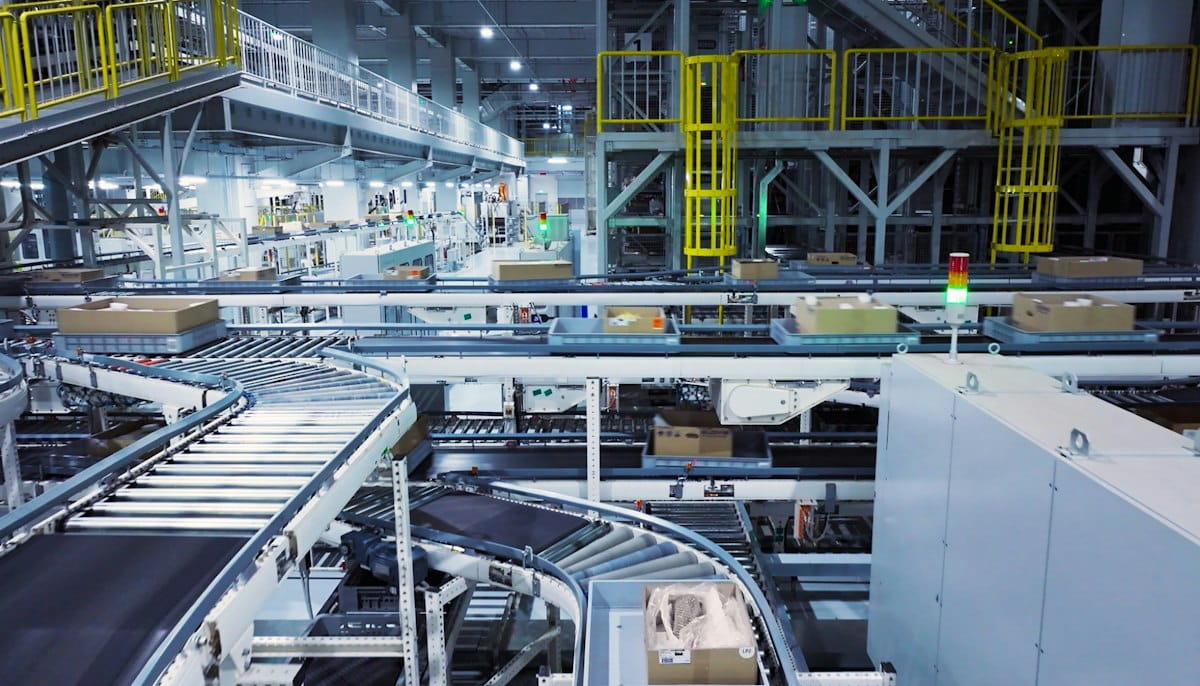
The 5G network can also prove useful in many industrial sectors
- Virtual and augmented reality. VR and AR need particularly high internet speeds to offer users a truly special experience, and this is exactly what the 5G mobile network promises.
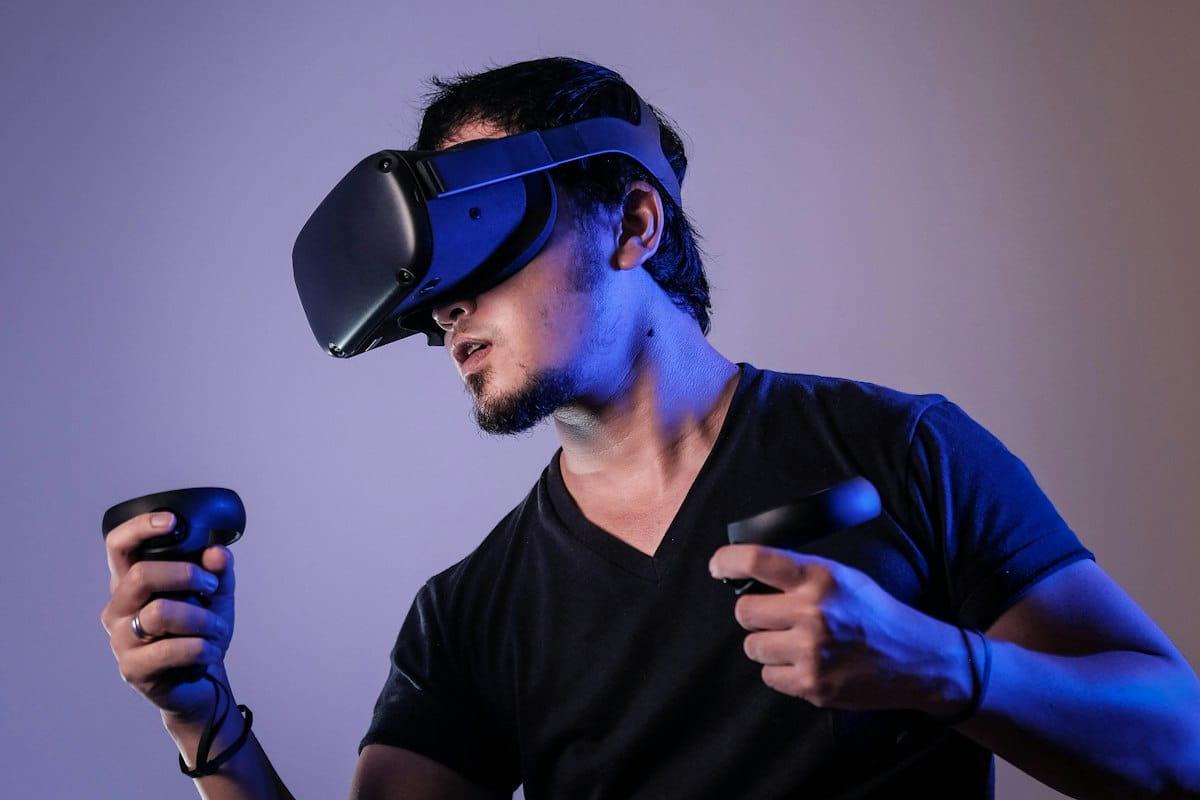
The high speeds of the 5G network can offer a truly special experience to VR and AR users
Although 5G networks will not start being used immediately, the infrastructure to support them is already being built. In Greece the first city to get such infrastructure is Trikala, while on a pilot basis the 5G network was used at the 2018 Winter Olympic Games and is expected to be used at the 2020 Olympic Games.


