

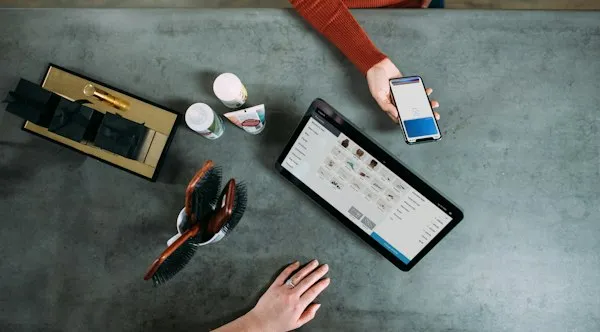
Technology in our age is evolving at a rapid pace and is constantly changing the way information and data are exchanged between the various devices we use every day.
H NFC technology is a standard connectivity technology that is constantly evolving and is used in many areas of everyday life.

NFC technology is used in more and more areas of everyday life.
What is NFC?
NFC technology (Near Field Communication), also known as near-field communication, is a standalone function for the wireless transmission of data using radio waves. It operates at a frequency of 13,56 MHz and transfers data at a rate of up to 424 kbps within a radius of about 4 centimeters. It allows communication between two compatible devices, through contact or proximity.
Devices that use NFC can be active (active) or passive (passive). A passive device, such as an NFC tag (NFC tag), contains information that can be read by other devices, but it cannot read information itself. Credit cards, for example, are such devices.
Active devices can both read and transmit information. Such devices are usually latest-generation smartphones or tablets or even card acceptance terminals. These devices activate the passive devices and so the data stored on them is read. A high-frequency magnetic field is created between the two devices, through which the connection is made and the data is transmitted.

Card acceptance terminals are active NFC devices, while credit cards are passive devices.
The connection can of course also be made between two active devices (e.g. between two smartphones).
Do I have NFC on my device?
If your smartphone is a new-generation one from a well-known company, it very likely has NFC. You can easily check this by going to the phone's settings or features, where the NFC logo will be.

New-generation devices very likely support NFC technology
If you are not sure, a search on internet with your phone's model will clear up your doubt.
Where is NFC used?
The uses of NFC technology in everyday life are many. For example, we can use NFC for:
- Contactless transactions. When we pay contactless by card, simply by bringing our card close to the terminal, the transaction is carried out via NFC. Apple Pay, Samsung Pay and Android Pay are also based on this technology.
- Various security systems. Some security systems use NFC technology to let users open doors or gain access to information.
- Advertising / promotional purposes. NFC tags can also be placed on devices or objects, such as keychains, stickers or even promotional leaflets, where a customer can bring their mobile phone close to access information about a product or be taken automatically to your website. NFC tags can also be embedded in business cards, so that anyone who wants can save the details printed on them with a simple touch.
- Transferring data between devices. Simply by touching two compatible devices together, users can transfer data from one device to the other, such as photos, videos and apps.
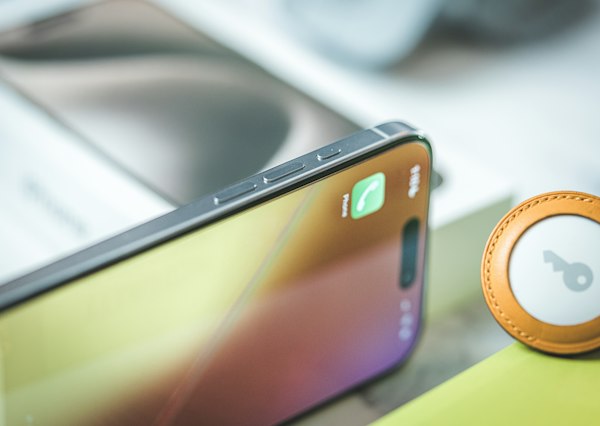
Contactless transactions, access to security systems, advertising a business, transferring data between devices – everything can be done easily and quickly with the help of NFC technology.
Is NFC safe?
NFC technology is considered very safe, mainly for 2 reasons. First, the need for contact is the best way of confirming physical presence, which means that the user is there (e.g. at the bank or in the store) and wants to perform the action (e.g. payment). In addition, the range is so small that it is very difficult to intercept data wirelessly.
The possibilities of NFC technology are many and are limited only by the imagination of its creators. Although in Greece the use of NFC is not widespread, the day when we will be able to do everything with our mobile phone is probably not far off. We will do our shopping, unlock our car, check the bus timetable, play multiplayer games with our friends – and all this with the help of NFC.