


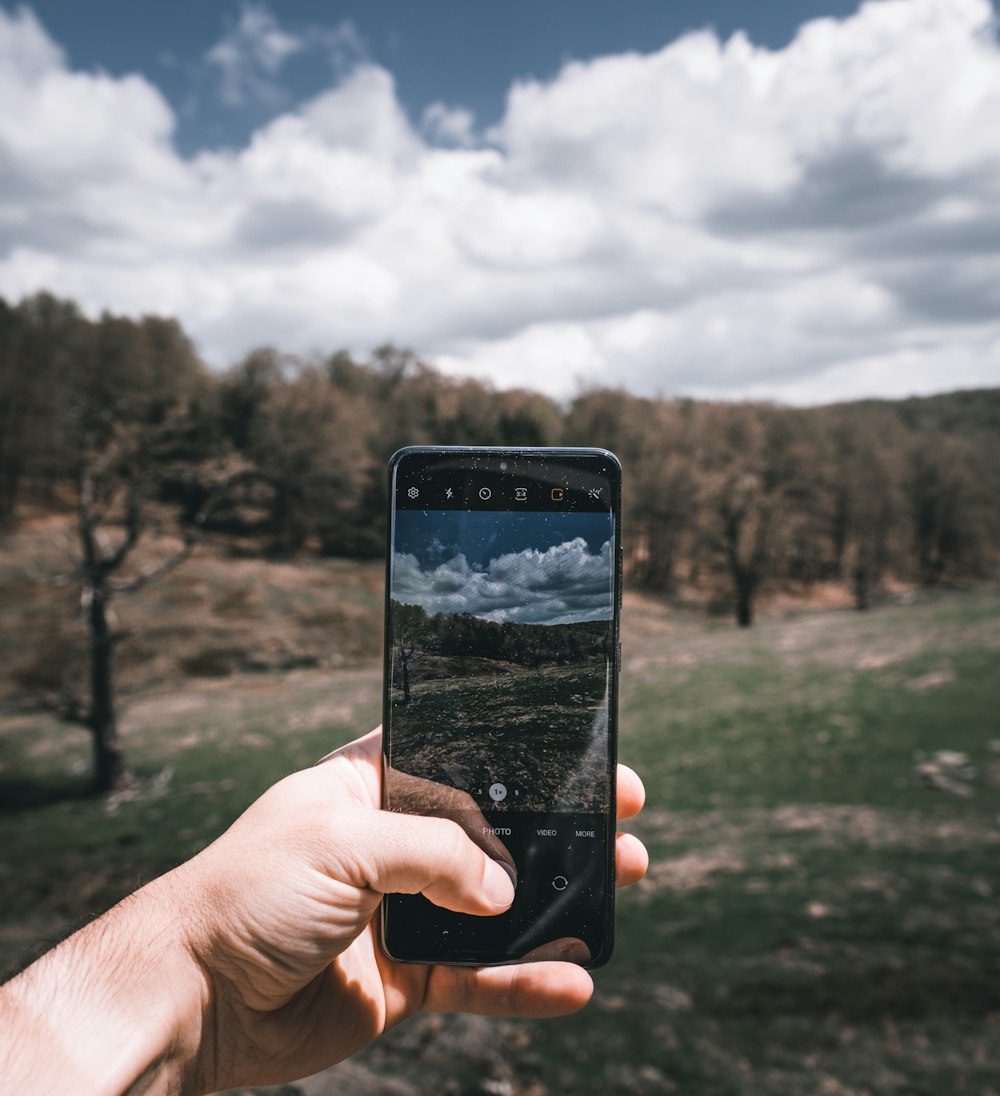
Taking photos has become part of our daily lives, especially since the new-technology smartphones most of us have allow us to capture every important (or even less important) moment of our lives.
The smartphone camera is relatively easy for most users, but there may be some functions that are not known to many people. One of them is the HDR function that now appears in the camera settings of most smartphones.
Most people use their phone's camera to capture the most important moments of their daily lives
What does HDR mean and why do we use it?
The High Dynamic Range (HDR) function translates as High Dynamic Range of color and is a practice that has long been used in the field of photography.
Dynamic range is a measurement of the difference in brightness between the brightest and the darkest point of an image. Dynamic range is measured in f-stops units that indicate how much light passes through the lens at each moment.
In reality when we look at a scene with a big difference between the brightest and darkest points (e.g. a sunset) our eyes adapt so that they can distinguish details at every point. By contrast if we take a photograph, we can focus only on the brightest or only on the darkest points, with the result that many details of the scene depicted are lost.
The HDR function is used to increase the dynamic range of color, in order to produce an accurate representation of what our eyes would see in a scene. To do this, more than one consecutive photographs of a scene are taken at different brightness levels.
The photographs taken are at minimum 3, but on some cameras there may be 5 or 7. Special software then combines the photographs into one, in which the details from all the photographs taken are incorporated.
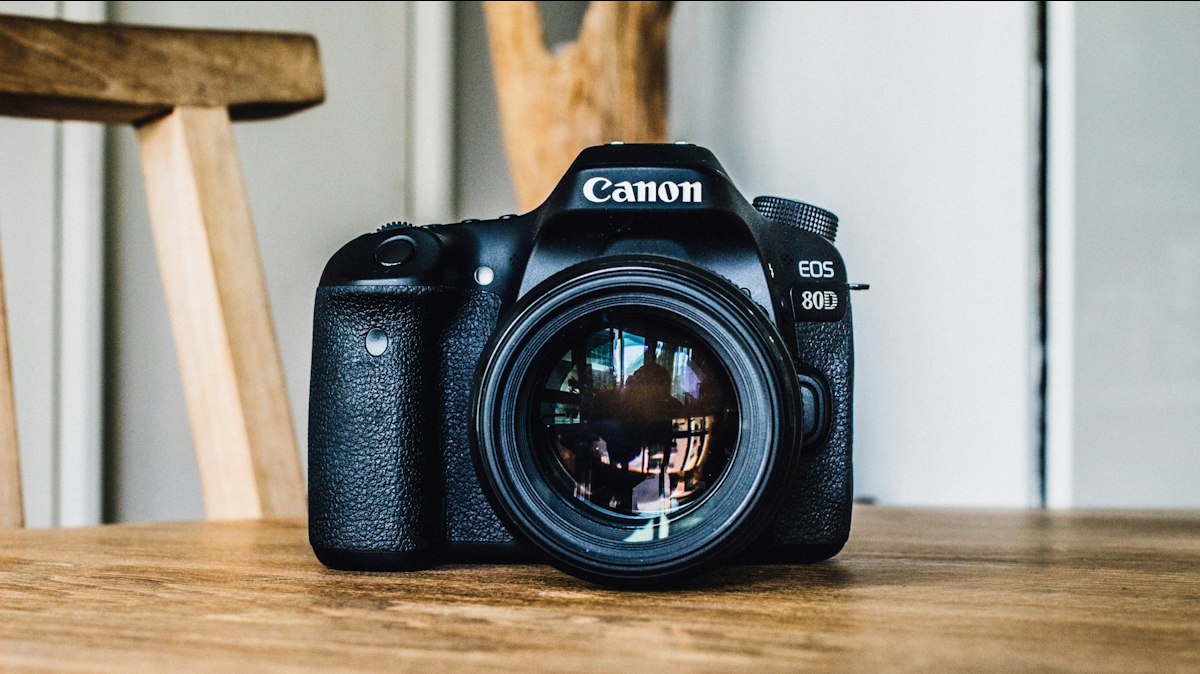
The HDR function has long been used in the field of photography
Usually on smartphones three consecutive photographs are taken with the HDR function, each at a different exposure (one neutral, one dark and one bright) and are then combined with software installed on the device. The final result is an impressive photograph with vivid details and colors.
When should HDR be used?
The HDR function is not suitable for taking photographs under any conditions. Sometimes the resulting photograph may be impressive, while at other times the result may disappoint us.
There are some "rules" for when the HDR function can be used, such as:
- For landscapes. When photographing landscapes there is usually a big brightness contrast between the places where the land is visible and those where the sky is visible. Using HDR in these cases helps preserve and show details from all points.
- For portraits in strong sunlight. When the sunlight is strong it can result in shadows and glare that spoil the aesthetics of a photograph. In these cases HDR can help, for example it can brighten the dark areas of a photograph without losing the details of the bright points.
- For low-light scenes. Combining the three photographs taken with the HDR function helps preserve in the final image the shadows, bright points and details that would be lost if you took a single photograph, which would emphasize only the bright or only the dark areas.
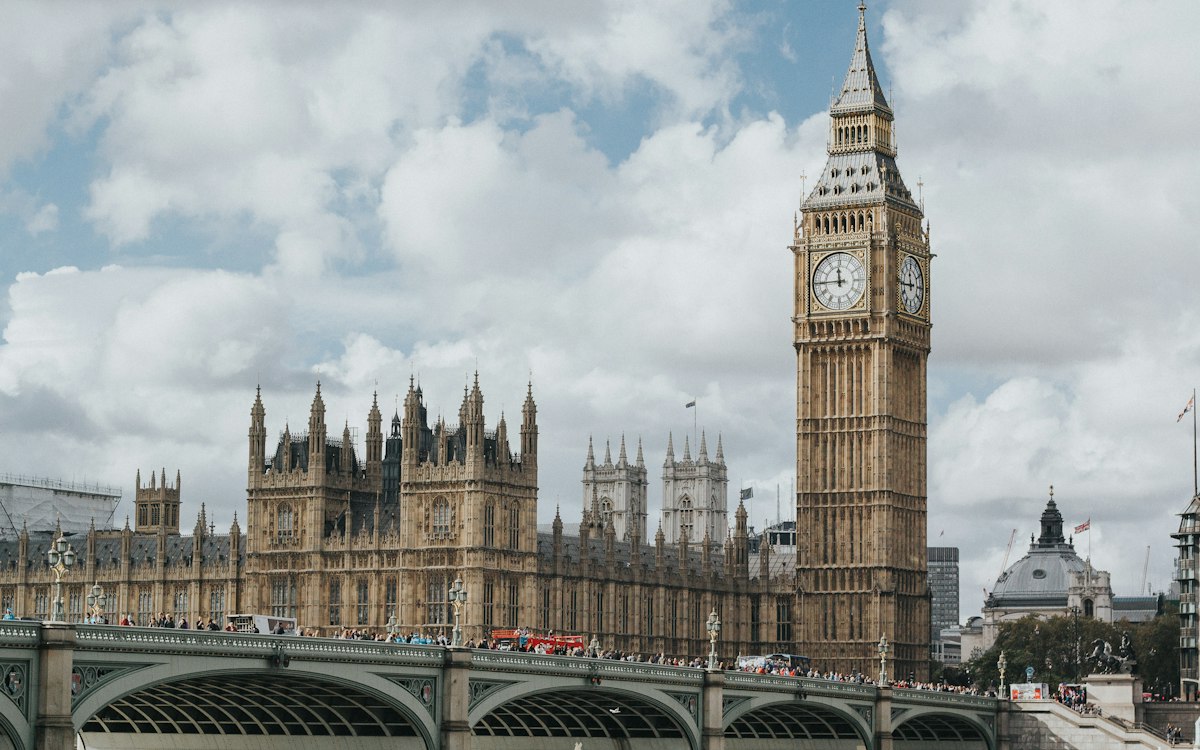
HDR is mainly used for taking photographs of landscapes, portraits in strong light and low-light scenes
When not to use HDR
- In photographs with movement. As we said, with the HDR function three consecutive photographs are taken, so whatever appears in these photographs must remain still. Otherwise, the result is a blurry final photograph. Also keep your hand as steady as you can when taking photographs with the HDR function enabled, or ideally use a tripod.
- In photographs with strong lighting. In such cases the final photographs come out washed out and the result is not aesthetically pleasing.
- When you are in a hurry. When you use the HDR function your phone needs a little more time to process the photographs taken and create the final result. So do not enable it when you want to take a photograph quickly.
- In photographs with very vivid colors. In this case too, if you enable the HDR function your photographs will come out washed out.
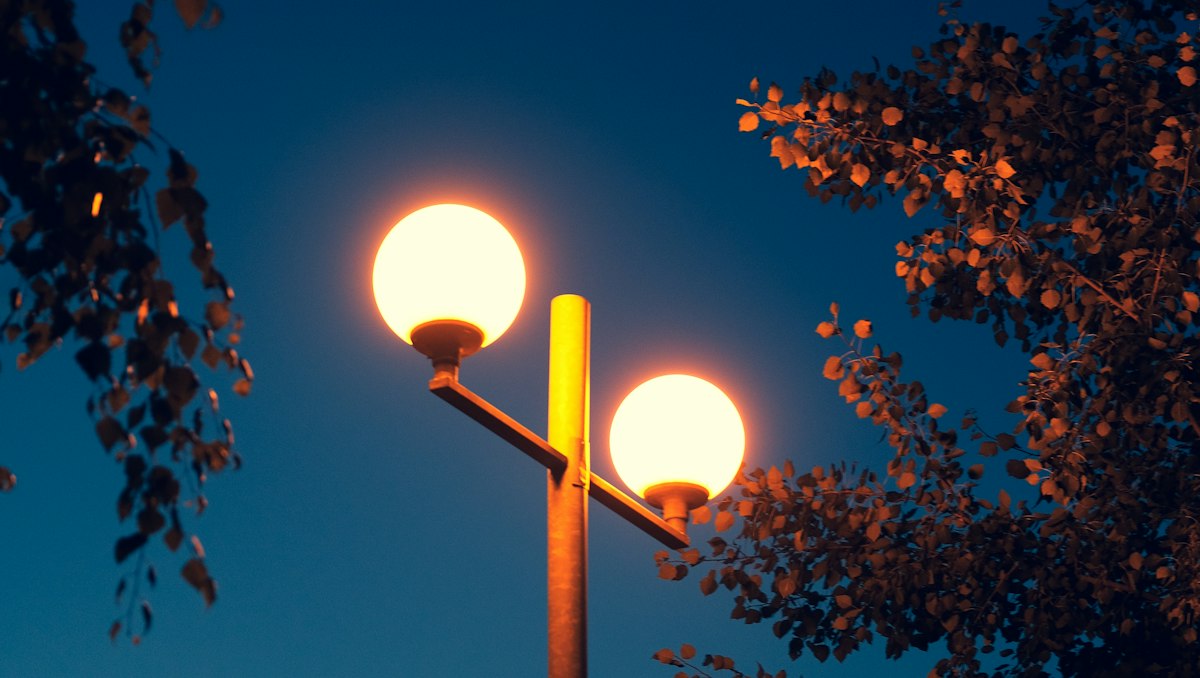
Using the HDR function is not recommended in some cases, such as photographs with movement and photographs with strong lighting or vivid colors
In general we can say that the HDR function can be a very useful tool for anyone interested in taking aesthetically beautiful photographs in various lighting conditions and environments.
So experiment with this tool yourself and capture the moments of your daily life with photographs full of detail and at the same time beautiful and artistic.


