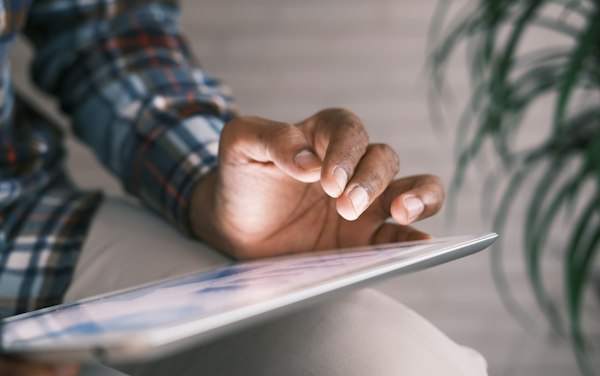


Mobile devices are designed to be taken everywhere with us, and this means their screens must withstand various hardships, scratches, knocks against various objects, even drops.
For this reason manufacturers use protective glass over the screens. They consist of various layers of glass with functions such as embedding the electronic parts of the screen, coordinating the touch sensors, and transmitting light. The part placed on top of all is the one that takes knocks and scratches, and in most quality devices on the market today it is a glass called Gorilla Glass.
Most quality devices on the market today have Gorilla Glass to protect their screen
What exactly is Gorilla Glass?
Gorilla Glass is a special glass used for covering and protecting touch screens. It is produced by the company Corning, which has for decades been involved in the chemical strengthening of glass, in order to create a product that is at once durable, thin and very light.
Through chemical strengthening of glass, the company Corning has created a durable, thin and light product
What does Gorilla Glass offer devices?
- Durability. Whether it is knocks and drops from a height or scratches and scrapes from contact with other objects, e.g. keys, coins etc., Gorilla Glass offers increased protection to our devices. Note: the Gorilla Glass makes screens more durable, but not unbreakable. A drop from a great height or a strong blow will break even a screen protected with Gorilla Glass.
- Thin profile. Depending on the use for which Gorilla Glass is intended it can have a thickness from 0,4mm to 2mm, always maintaining increased levels of durability.
- Extremely high-quality surface. Gorilla Glass has an extremely clean, smooth and flat surface that offers fantastic image clarity.
- Compatibility with touch screens. Gorilla Glass is durable enough to withstand the pressure from the use of touch screens, but at the same time thin enough to allow precise responses from them.
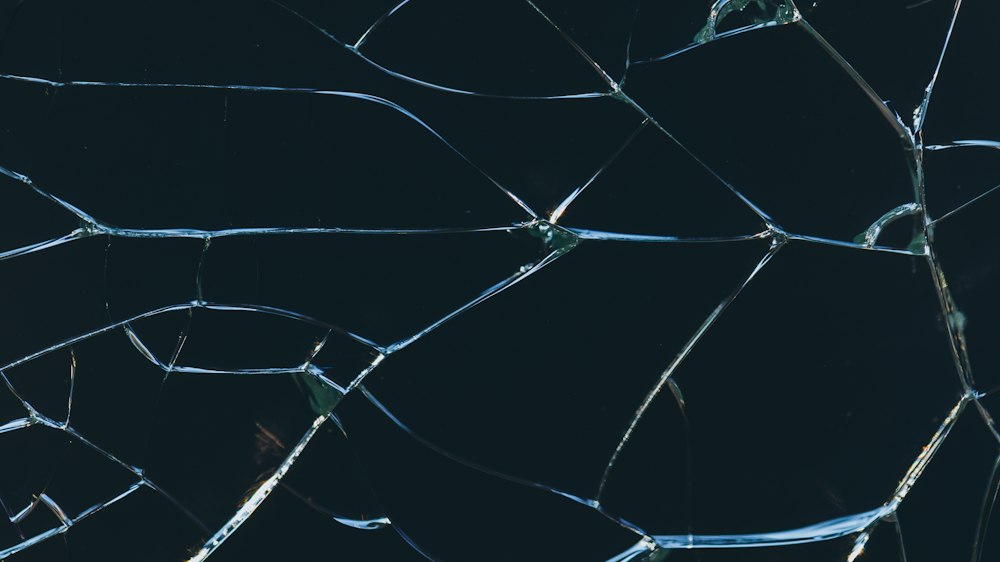
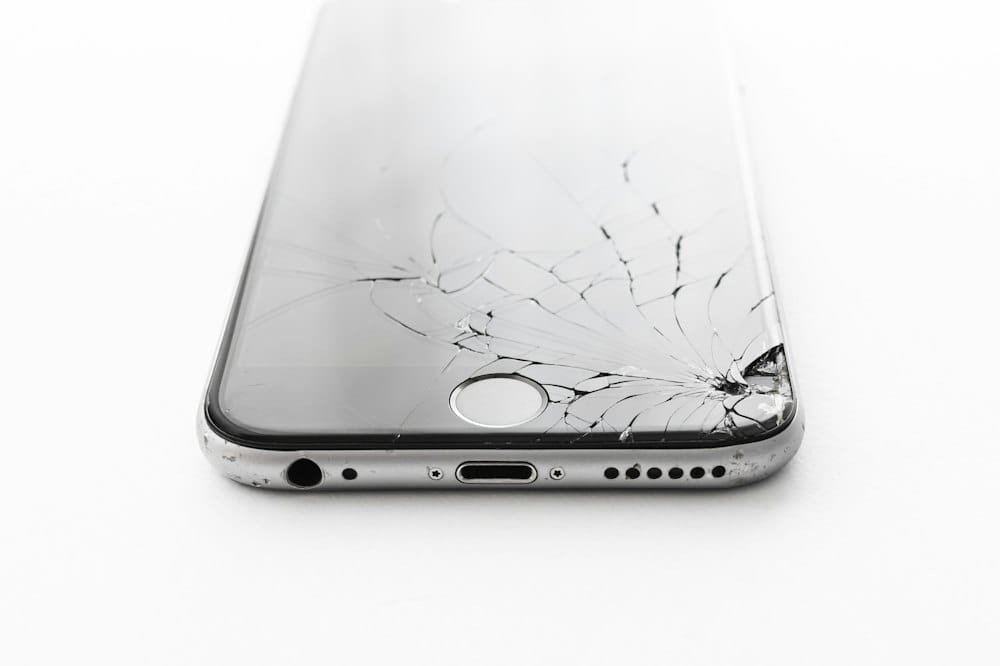
Remember that Gorilla Glass makes device screens durable, but not unbreakable
Uses of Gorilla Glass
The use of Gorilla Glass on mobile device screens began in 2007 with the release of the first iPhone. Since then this glass has been released in various versions with different thickness and durability levels (Gorilla Glass 2, Gorilla Glass 3 and so on) and has been used in millions of devices.
It has become known to the general public from its use in mobile phones and tablets, but it can also be used in laptops, gadgets such as smartwatches, even in cars.
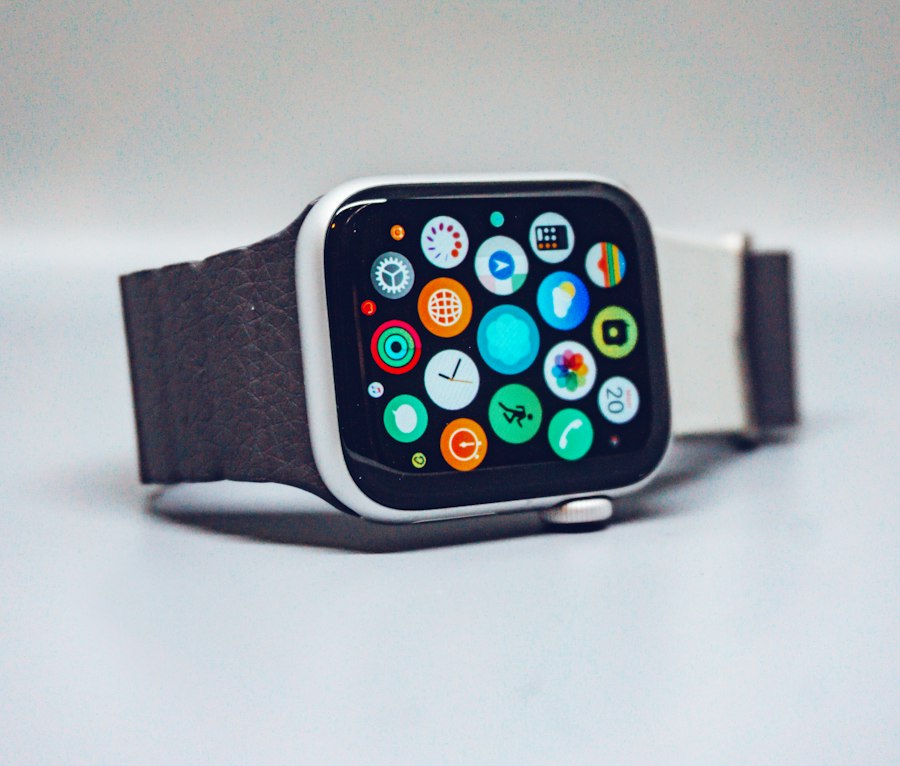
Gorilla Glass is used not only in mobile phones and tablets, but also in laptops, smartwatches, even cars
If you wonder whether your own device has Gorilla Glass you can find out by looking at the device's specifications or by doing a simple search on internet.
Other options
Although it dominates the market, Gorilla Glass is not the only protective glass used in mobile devices.
A glass with similar characteristics is Dragontrail, which is produced in Japan and used mainly in devices sold on the Japanese market. It was used by Sony in the first series of Xperia phones, as well as in ZTE, Blackberry, Xiaomi, Samsung, Meizu devices etc.
In the Japanese market the glass Dragontrail is also used, with characteristics similar to those of Gorilla Glass
Another alternative found in mobile devices is Panda King Glass. It is produced in China and has properties similar to those of Gorilla Glass.
The Sapphire Glass is a type of glass used by Apple for small parts of the iPhone (e.g. camera glass) and is made from sapphire, the second most durable material after diamond. Due to high cost and other factors this glass is not widely used in mobile device screens, but it has found applications in other fields, such as watches, airplanes and bulletproof glass.
Sapphire Glass is another type of protective glass used for small parts of iPhone, such as the camera glass
Of course these are not the only protective glasses on the market, while the big companies seem to be trying to create their own (e.g. Turtle Glass by Samsung).
What you need to remember is that whichever protective glass your device has, it does not mean it cannot break. Always use a protective case and be especially careful when handling it.
All devices can break regardless of which protective glass they have, so always be very careful when handling them