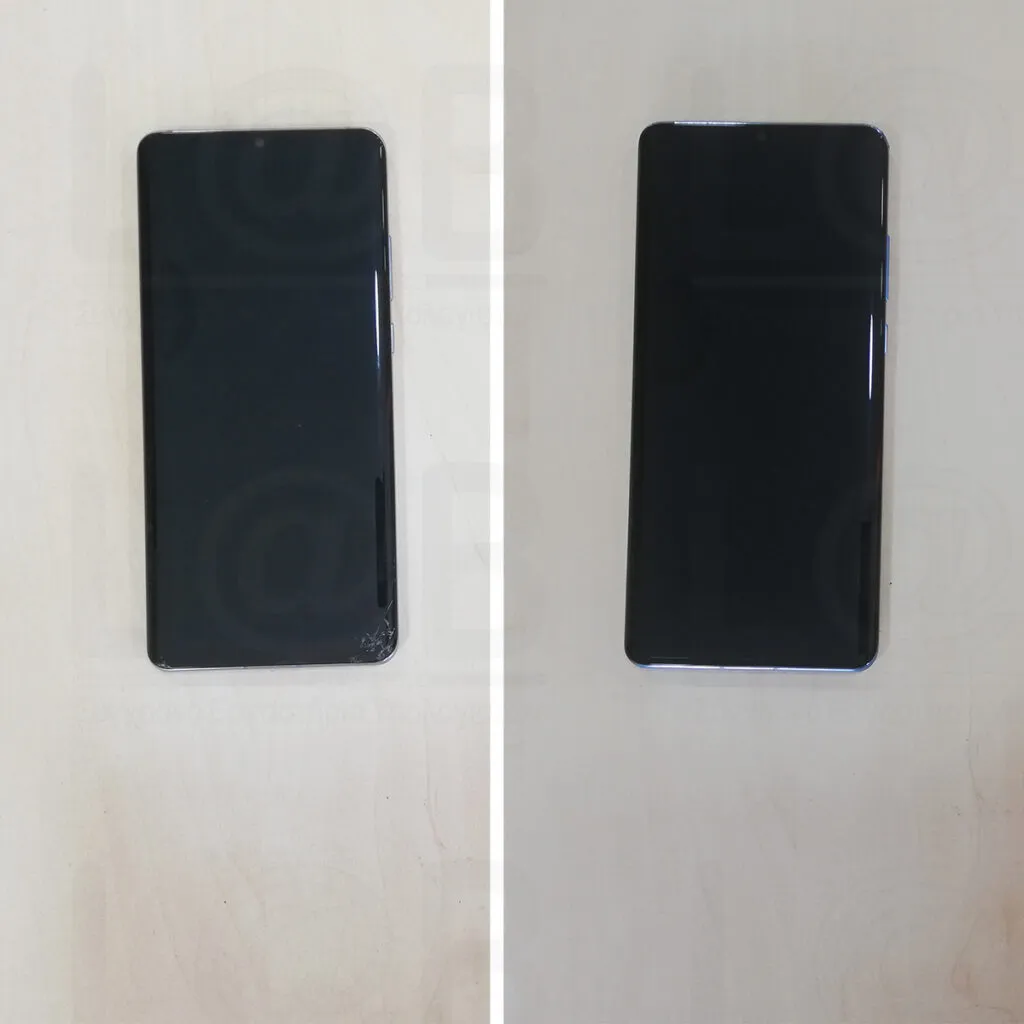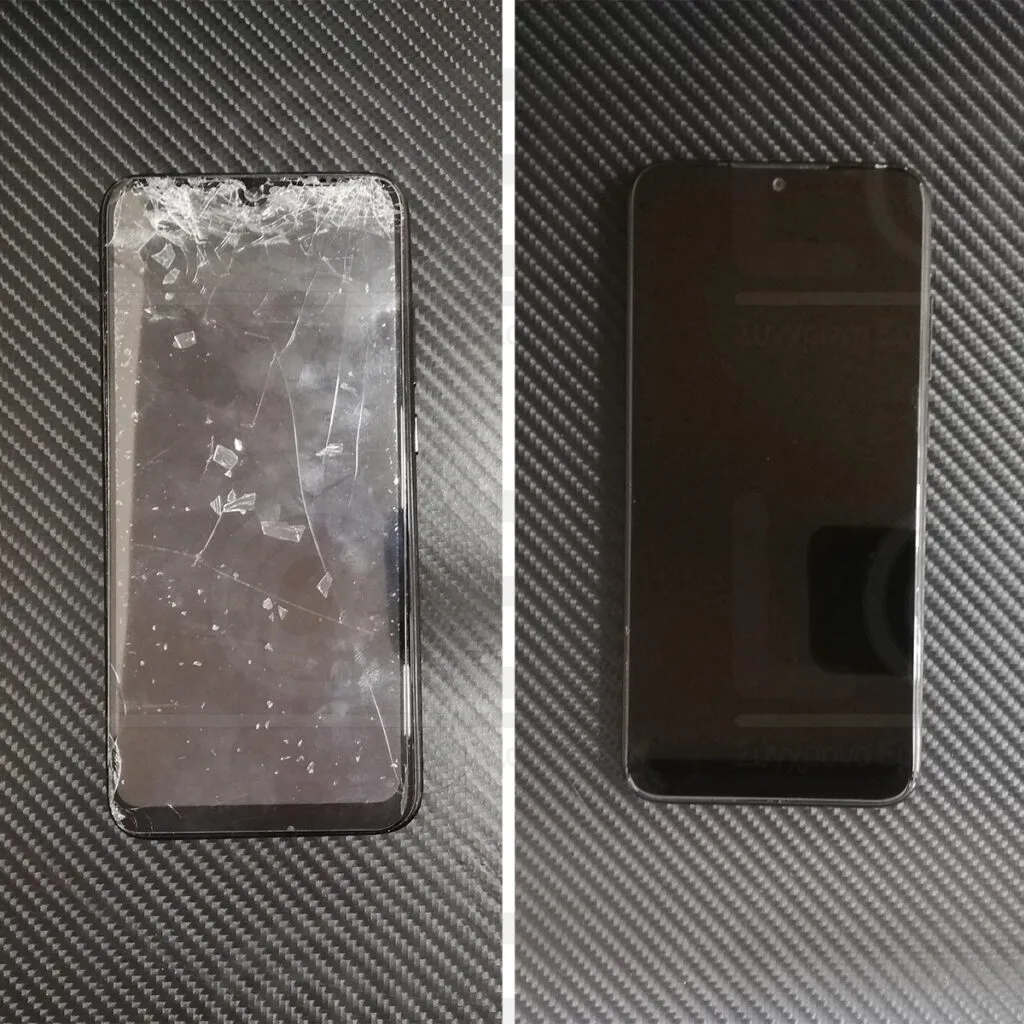


Every day, dozens of customers walk through the door of our store on Charilaou Trikoupi Street 4, in Nafplio. Few, however, stop to wonder who the man behind that name was — and why a city like Nafplio chose to honor him with a street. The answer is a story worth telling.
A Nafplio native who changed Greece
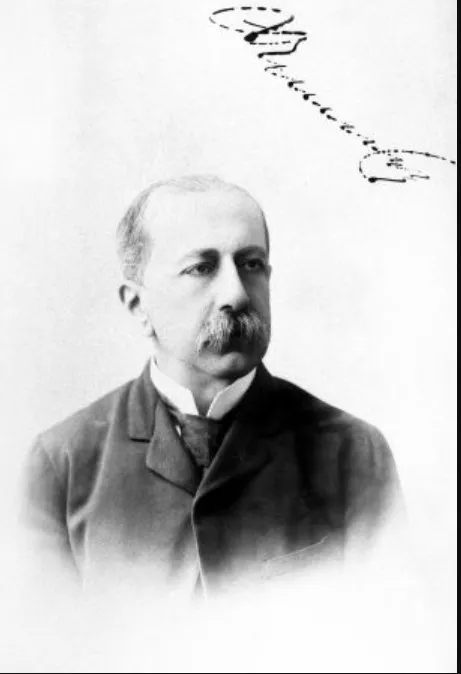
Charilaos Trikoupis was born on 11 July 1832 in Nafplio, then the capital of the newly founded Greek state. He was the son of the politician and historian Spyridon Trikoupis and Aikaterini Mavrokordatou, and his godfather was the legendary admiral Andreas Miaoulis. He learned his first letters in Nafplio, before continuing at the Gymnasium of Athens, studying Law at the University of Athens and completing his studies as a Doctor of Law in Paris. Nafplio, then, is not simply a city that honored him; it is his place of origin.
The politician who put institutions above himself
After a diplomatic career that took him from the embassy in London to leading the Greek delegation for the union of the Ionian Islands in 1863, Trikoupis entered active politics and became Minister of Foreign Affairs in 1865, at the age of just 33. In 1874, with his famous article "Who is to blame?" in the newspaper "Oi Kairoi", he openly accused King George I of bypassing the popular will by appointing prime ministers without a parliamentary majority. His battle for the principle of "declared confidence" — that is, that only someone who has the confidence of Parliament governs — laid the foundations of parliamentary democracy as we know it today. He founded the "Fifth Party", described as the first party of principles in Greek political history, and served as prime minister seven times, for roughly eleven years in total.
The architect of a modern Greece
Trikoupis's vision of modernizing the country did not stay in words. During his years in government the first national railway network was created, the Corinth Canal was opened and the foundations were laid for projects completed much later, such as the Rio-Antirrio bridge, which became a reality in 2004 — over a century later. At the same time he pushed ahead with reforms in the army, taxation and agriculture, trying to build a state with modern institutions and infrastructure. This ambitious program had a cost and earned him nicknames such as "Tax Collector", yet his legacy in roads, railways and institutions remains visible to this day.
Honesty in hardship: "Unfortunately, we have gone bankrupt"
On 10 December 1893, Trikoupis stood before Parliament and announced what no politician wants to say: that the country was declaring bankruptcy. The phrase "Unfortunately, we have gone bankrupt" went down in history not as a mark of failure, but as a moment of honesty — a politician who chose to tell the truth to his people rather than hide it, even when it cost him politically. A few years later, in 1896, he died in Cannes, far from the homeland he had devoted his life to modernizing.
Unfortunately, we have gone bankrupt.
Charilaos Trikoupis, speech to Parliament, 10 December 1893
Why the Street Deserves Its Name
Charilaos Trikoupis was born in Nafplio, fought to put institutions above individuals, and devoted his life to the idea that progress — railways, canals, bridges, modern administration — is not a luxury but a duty to the future. It is no coincidence, then, that a street bearing his name today hosts a technology store: the values he served in his own century — faith in progress, in innovation and in honesty — are exactly those we try to serve in ours. The next time you pass along Charilaou Trikoupi Street, it is worth remembering who the man behind the sign was.