

Microsoft Windows is perhaps the dominant operating system in the world, since it is estimated to be used on more than 1,5 billion computers.
Windows XP
Various versions of Windows have been released since it first appeared until today. The most beloved of these versions was Windows XP which was released on 25 October 2001 and still has loyal fans today.
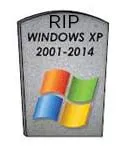
After many years of successful release and quite a few subsequent versions of Windows, the company Microsoft considered it obsolete and ended its support on 8 April 2014.

Support for Windows XP ended on 8 April 2014
Windows Vista
H Microsoft released the Windows Vista operating system on 30 January 2007. This long-awaited new operating system was to keep all the good elements of XP and add new features and visual improvements. In the end, however, it was a failure for Microsoft, since it showed incompatibilities with hardware and software and also had heavy demands on system resources.
On 11 April 2017 the company Microsoft ended support for this operating system as well.

Support for Windows VIsta ended on 11 April 2017
What does it mean that Microsoft stops supporting Windows XP and Vista?
The end of support for these operating systems does not mean they will stop working. If you have Windows XP or Vista on your computer, it does not mean the computer will not turn on or that you will lose the files stored on it.
When we say that Microsoft supports a system until a specific date, we mean that from that date onward it no longer provides automatic fixes, updates or technical help via Internet for that system. Without Microsoft's support, you will no longer receive security updates that can help protect your computer from harmful viruses, spyware software and other malware.

When your computer has an operating system that is no longer supported, it cannot be considered protected
Even if you have antivirus, you cannot consider your computer protected, since the system's security holes may not be detected by the computer's antivirus. Also, the new versions of most such programs will no longer be installable on a computer running Windows XP or Vista.
Another problem that arises when support for an operating system ends is that, as most software and hardware manufacturers continue to optimize their products for the latest versions of Windows, more and more apps and devices will probably not work with it (e.g. Google Chrome).
What should I do?
One solution for those of you who still have computers with Windows XP or Vista is to keep using them without going on internet. You can use them for any specific, specialized function required (e.g. car workshops, medical diagnostics, mechanical diagnostics, business applications etc.). You must know, however, that they will be limited to that and should not be used for their other functions (email, internet, entertainment, communication etc.).
The best solution is of course to upgrade your operating system to a newer version.
This assumes that your old computer can "handle" the new windows. That is, it is able to meet the increased demands and functions of the new technologies. It is not as difficult as it may seem, since in any case you can ask your technician to inform and advise you on the right choice for you.