


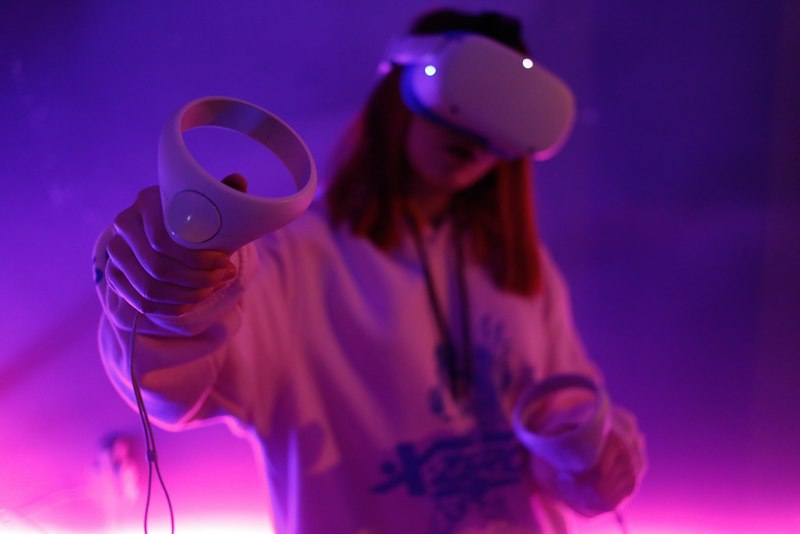
The idea of combining the real with a virtual world in one's everyday life is not new; for several decades now, technology scientists have been trying to realize it.
Virtual Reality (Virtual Reality)
Virtual Reality (Virtual Reality or VR) is an artificial simulation or representation of a real environment created by a computer. The user is "immersed" in this environment and feels they are experiencing the reality created by the computer, mainly through the senses of sight and hearing.
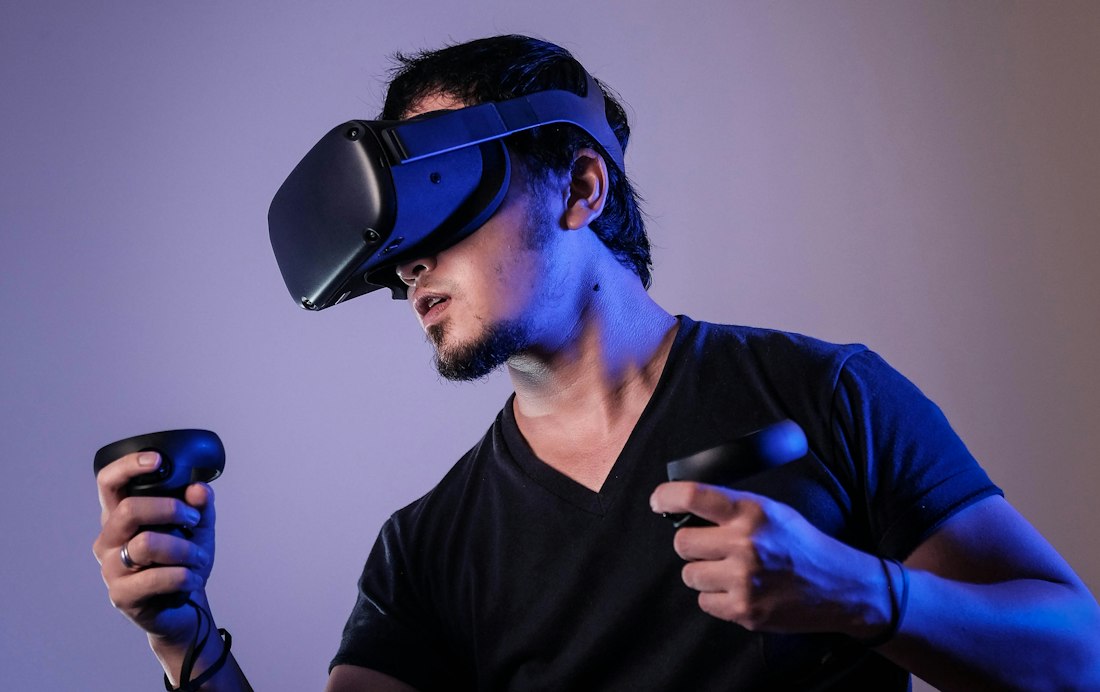
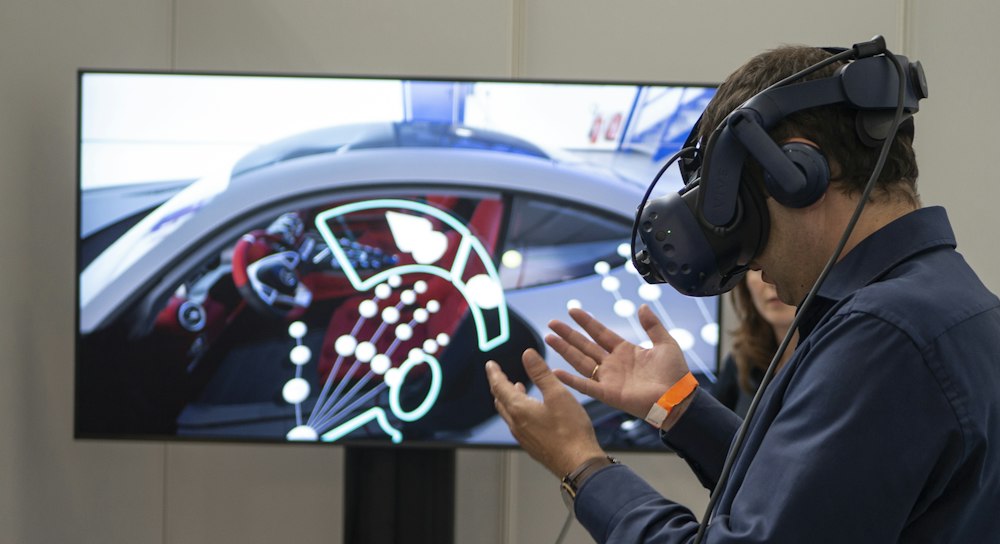
Virtual reality systems work through devices that are usually fixed on the head, with a screen placed in front of the eyes. The devices are connected to a computer or console and present the representations of the virtual world to the user.
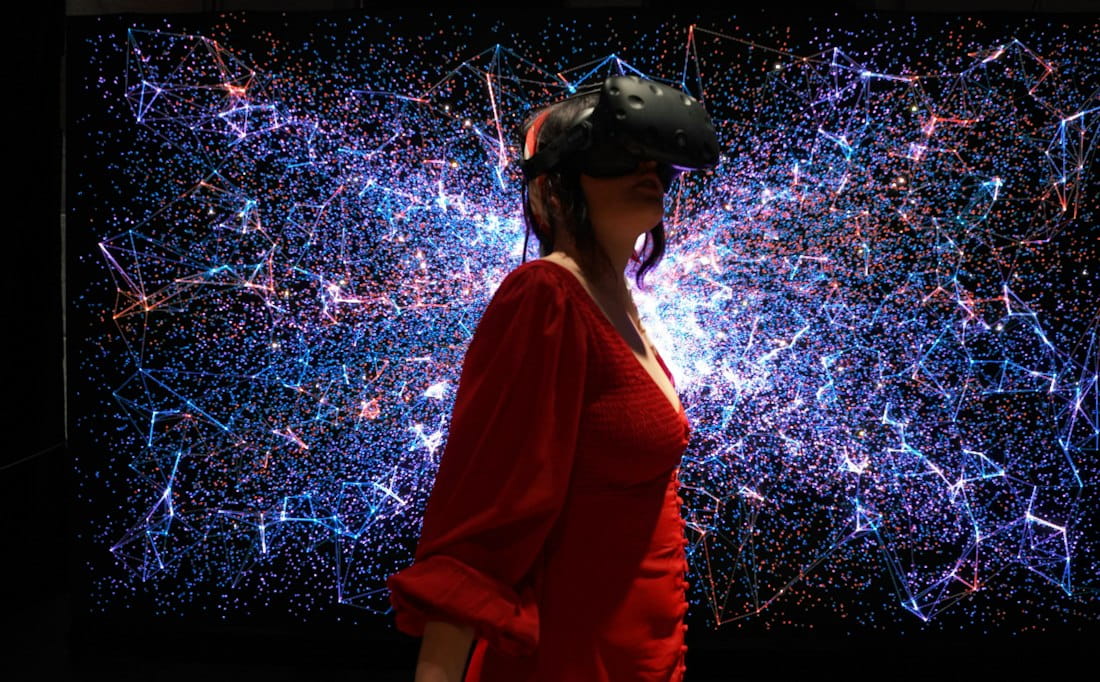
Through a head-mounted device the user can "immerse" themselves in an artificial environment and experience a new reality
In the 1990s virtual reality devices were released for the first time, but they did not win over the consumer public, since they failed to deliver the impressive results people expected.
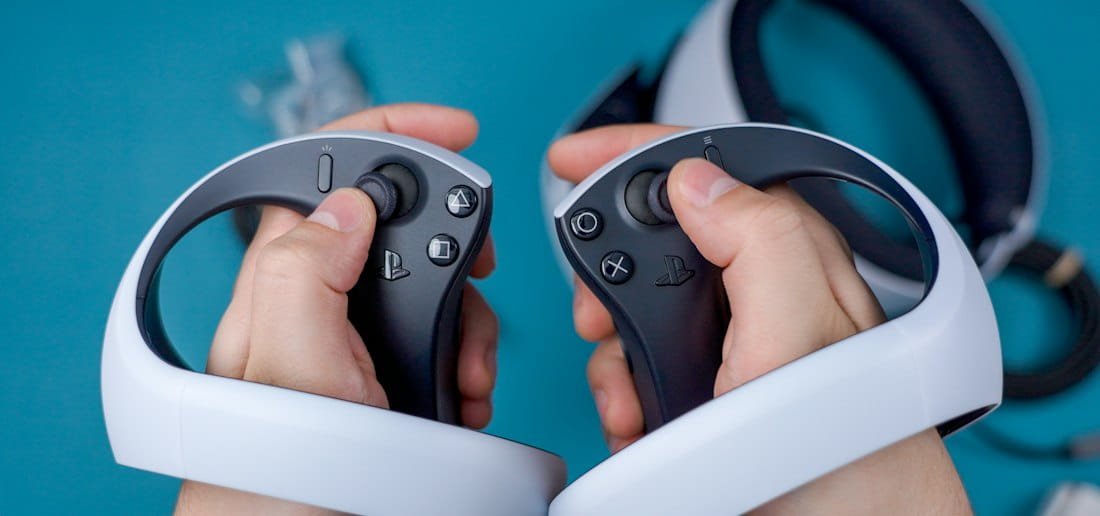
Today, of course, the user is truly "immersed" in a virtual world with devices such as the Oculus Rift, the VR of PlayStation, as well as the VR of Samsung that can be used with its smartphones.
Although this technology has found multiple applications in gaming, research, education, business and construction, its usefulness in everyday life is somewhat limited.
The technology that does find application in everyday life, however, and can be used by anyone with ease, is the so-called Augmented Reality.
Augmented Reality (Augmented Reality)
Augmented Reality (Augmented Reality or AR) is based on integrating digital information into the user's real environment in real time. Unlike VR, which creates a completely artificial environment, augmented reality uses the user's real environment, which it enriches with digital data.
H Augmented Reality (Augmented Reality) integrates digital information into the user's real environment, in real time
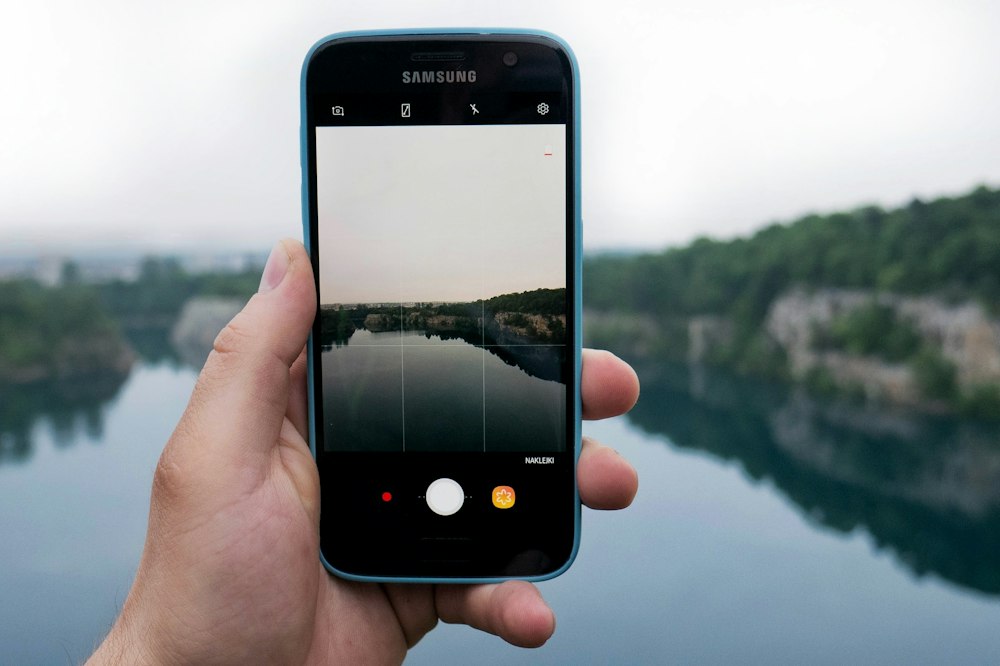
Augmented reality does not require special devices, only a mobile device (e.g. smartphone) and a suitable app. The app, using the various features of the device (GPS, compass, camera), gives the physical world a digital identity.
Of course there are also special devices that offer the AR experience, such as the Google Glass, essentially a wearable computer.
Where Augmented Reality is used
AR technology finds applications in many areas of everyday life, such as:
- In gaming. One of the most popular games of recent years, Pokemon Go, is based on augmented reality and of course it is not the only one.
The Pokemon Go based on augmented reality was one of the most popular games of recent years
- In the medical field. Augmented reality can be used to train new doctors, as well as in the practice of the profession. A characteristic example is the device used by microbiologists to make the patient's veins visible in color on their skin.
The device used by microbiologists to make the patient's veins visible in color on their skin is based on augmented reality
- In navigation apps. The driver can see the route they must follow drawn on the road in front of them.
The driver sees the route they must follow drawn on the road in front of them, as well as other useful information
- In sports. The various explanatory marks that appear on the field for spectators are one of the uses of AR technology.
The display of explanatory lines on the field is possible thanks to AR technology
- In tourism. Using the GPS of your mobile device and image recognition technology you can access information about museum exhibits, archaeological sites, shops and other points of interest near your location. You can admire a painting at the Louvre and right next to the painting all the information about it appears in digital form.
With AR technology you can display real-time information for all the places you visit (archaeological sites, museums, markets, etc.)
The winning combination – Mixed Reality (MR)
Virtual and Augmented Reality essentially work in reverse – the first offers the user a digital environment that is a representation of a real one, while the second "enhances" the user's real environment with digital data.
So what could be better than combining them?
Mixed Reality (Mixed Reality or MR) is the result of mixing the digital with the real world. It is the next step in communication between humans, computers and the environment and unlocks possibilities limited only by human imagination.
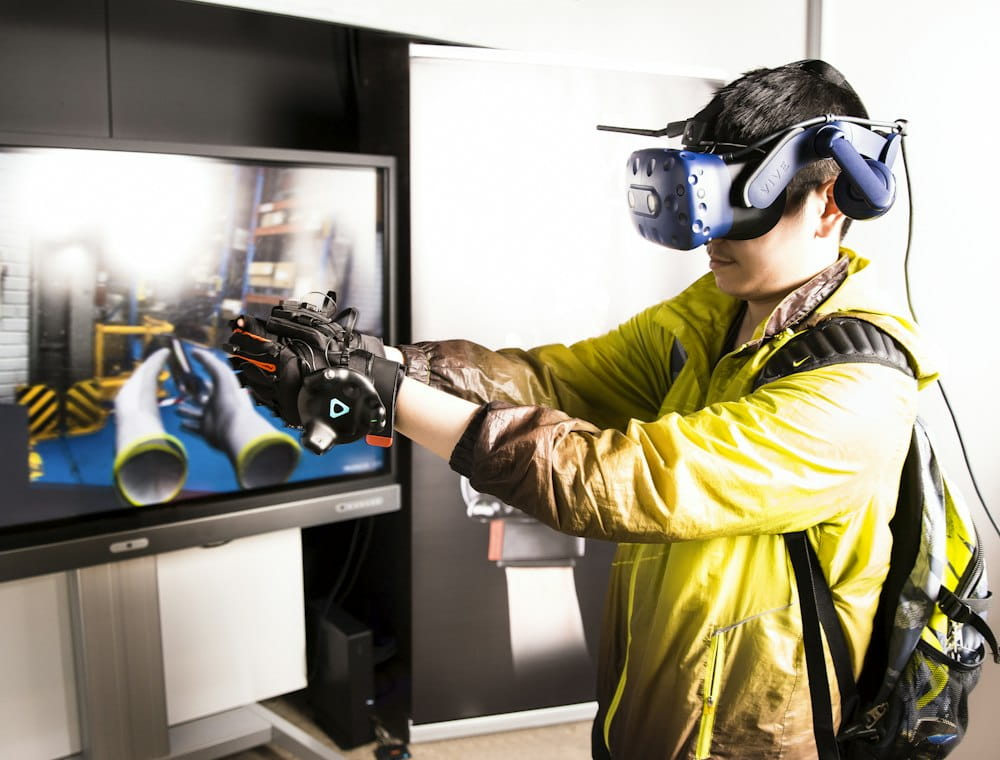
Using a device that is usually worn on the head and covers the eyes with a screen, as in virtual reality, the user can intervene digitally in their physical environment, make changes or additions, and even transform it completely.
Using a device, as in virtual reality, the user can intervene digitally in their physical environment using MR technology
Imagine wanting to change the layout of your home or business and being able, using a MR device, to virtually change the position of the furniture and objects in the space until you find the position that satisfies you. And all this without having really moved anything!
The MR Hololens device from Microsoft is already used by various car manufacturers so that they can make changes, improvements and additions on an existing physical vehicle model and test them, without having to constantly build new prototypes with the new features.
The MR Hololens device from Microsoft is used by various car manufacturers to create and improve their vehicles
Microsoft promises to make MR technology part of everyday life. With the new update from Windows released in October 2017, connecting a MR device to the computer will become much easier and it will be ready for use in just a few minutes.
Virtual and augmented reality add a new dimension to the connection of digital devices with the real world. Each on its own, or their combination, as happens with Mixed Reality, allows us to combine the experiences of the real world with all the benefits of the internet.



2 thoughts on “The new reality: VR, AR and MR”
Comments are closed.